Two Minutes to Clarity: A Video Protocol Audit for Lab Teams
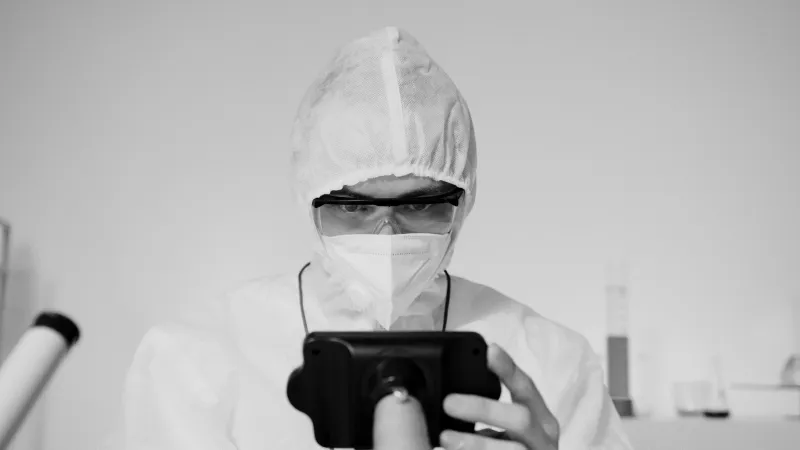
Written protocols tend to describe what a method is supposed to be, not what it is actually like to perform. Steps that depend on judgment, timing, or tacit cues often remain in the heads of experienced lab members. In 2026, many teams have access to a simple diagnostic tool that costs little and requires no special production skill: a two-minute video recorded on a smartphone. The exercise proposed here is not a substitute for formal documentation. It is a stress test for protocol clarity and, at the same time, a low-stakes opportunity for science communication practice.
Why Two Minutes Is Enough to Reveal Gaps
Brevity is the point. A short recording forces the speaker to prioritize. It also makes assumptions visible: what the speaker forgets to mention is often what an outsider most needs to know. The audience for the exercise is deliberately chosen from outside the project. A peer in a different subfield, or a student who has not yet run the method, will notice missing context that project insiders have learned to overlook. The goal is not a polished video. The goal is a candid explanation that can be examined for what it omits.
The exercise also separates two questions that written protocols sometimes blur: whether a method is scientifically sound and whether it is communicable. A protocol can be correct and still fail as a handover document. The video audit addresses the second question directly.
The Exercise: A Four-Step Protocol
First, each researcher selects one method, not an entire project. The scope should be narrow enough to explain in two minutes: a staining step, a calibration routine, a sample-prep sequence, or a data-cleaning check. Second, the researcher identifies a peer outside the project. The peer should not already know the method; their value lies in noticing what insiders take for granted.
Third, the researcher records a single take of no more than two minutes. An index card with a few prompts is acceptable, but a full script is counterproductive. The explanation should cover the purpose of the step, the materials and equipment involved, the critical parameters, the decision points, the signs of failure, and the stopping criterion. Fourth, the researcher and the peer watch the video together with the checklist below. The discussion should focus on gaps, not on video quality.
A Checklist for the Viewer
- Was the purpose of the method stated in one clear sentence?
- Were materials and equipment named with quantities or specifications where relevant?
- Were critical parameters such as time, temperature, concentration, or volume spoken aloud?
- Were decision points identified, including what to do if a reading or appearance is ambiguous?
- Were failure signals described in observable terms?
- Were safety considerations and personal protective equipment mentioned where applicable?
- Were tacit cues translated into criteria another person could recognize?
- Was the stopping point unambiguous?
- Did the speaker define specialized terms or rely on insider shorthand?
- Did the video reveal a step that is absent from the written protocol?
- Did the peer ask a question that the written protocol cannot answer?
The final two questions are the most consequential. They convert a communication exercise into a documentation review. Each gap should be logged and assigned to a person who will update the written protocol. A brief note in the lab's document history can record what changed and why.
What the Video Will Not Do
This exercise is not a compliance tool, a public-facing communication product, or a replacement for a controlled standard operating procedure. Internal lab videos should avoid unpublished data, identifiable human subjects, and sensitive intellectual property. Consent and privacy expectations should be set before recording. The exercise also should not become a performance review. Its value depends on candor, and candor depends on low stakes.
From Audit to Training
The same exercise serves as communication training. Speakers practice sequencing, audience awareness, and jargon control. Viewers practice asking precise questions. For students, the format is less intimidating than a formal seminar and more realistic than a written assignment alone. A lab can rotate the exercise so that each member records one method per term. The resulting archive is not the main product; the revisions to written protocols and the habits of explanation are.
A Monthly Rhythm for Lab Teams
A fifteen-minute segment in a lab meeting is sufficient. One volunteer records a video in advance, and the group reviews it with the checklist. The team records the number of protocol clarifications and tacit-knowledge items identified. Over several months, those counts can show whether onboarding materials are improving. The exercise should remain diagnostic rather than punitive. Its purpose is to make invisible knowledge visible and then to write it down.
Conclusion
Protocols improve when they are used and explained. A two-minute video is a cheap stress test for both. It asks researchers to say aloud what they think they already know, and it gives a peer outside the project permission to notice what was never said. For lab teams in 2026, that is a practical route to clearer documentation and stronger communication habits.